





Description

BUILD YOUR DIY Active Pedals
Compatible with common DIY hardware
You are free to choose your preferred components, including:
- Brushless servo motors
- Linear rails
- Ball screws
- Load cells
- Bearings
- Couplers
Mounting parts are supplied with customizable versions allowing you to adapt the design to different hardware.
Manufacturing made easy
The project has been optimized for affordable manufacturing.
The majority of components are:
- Laser-cut stainless steel
- Simple 90° bends
- Standard hardware
- Off-the-shelf bearings
- Readily available industrial components
3D Printed parts are also available in STL format.
proven engineering
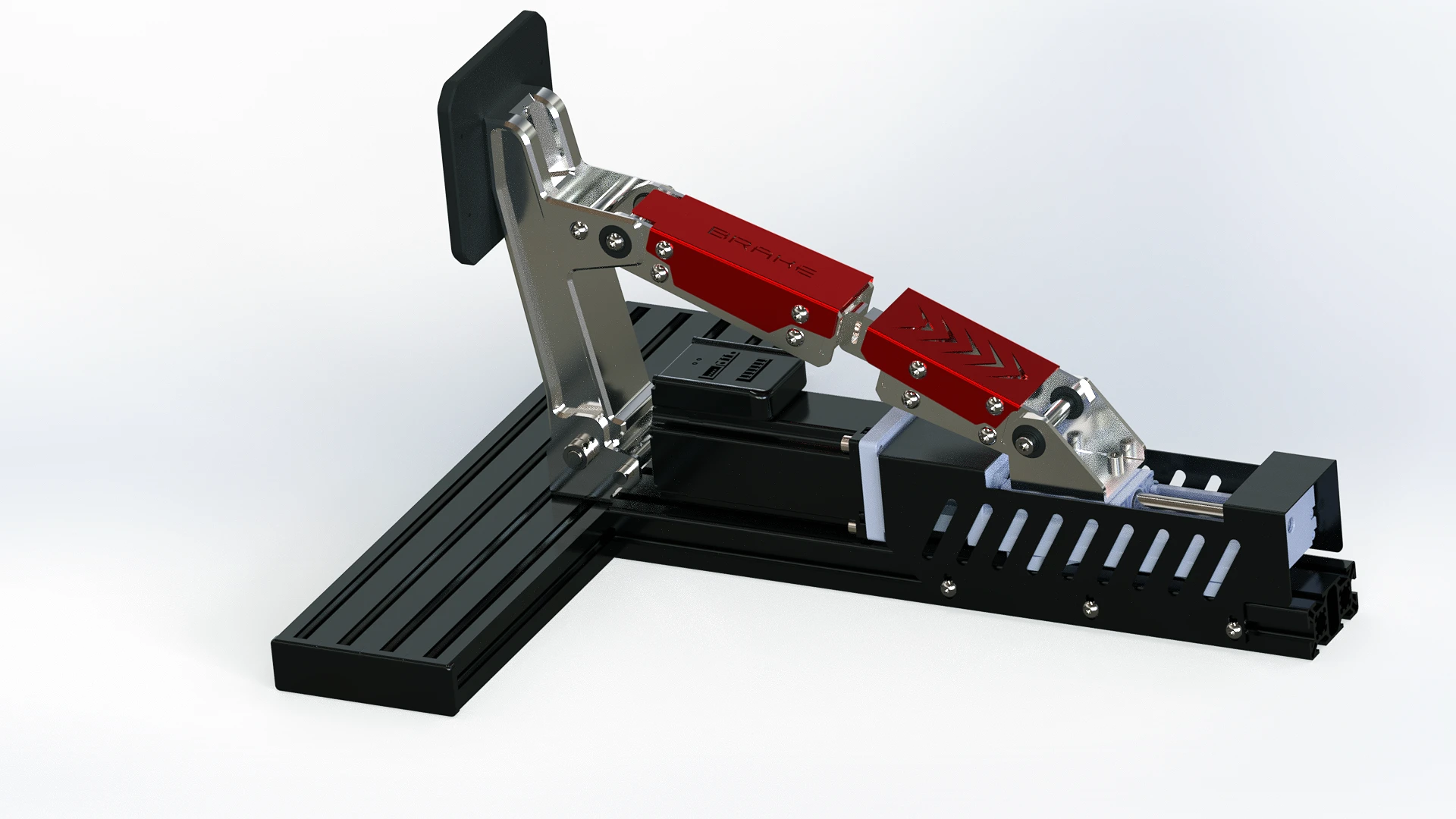
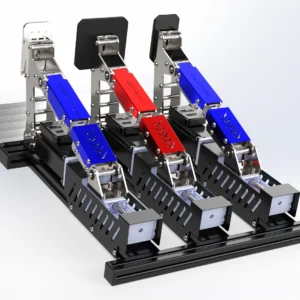
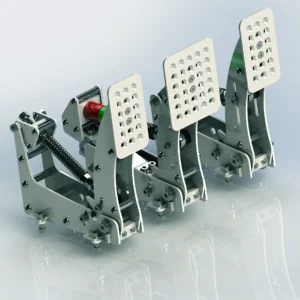
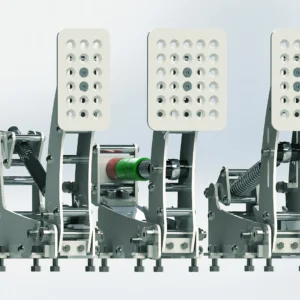
This DIY Active Pedals design uses a rigid stainless steel chassis engineered to withstand extremely high dynamic loads.
Features include:
- Stainless steel laser-cut construction
- High rigidity
- Ball bearing pivots
- Zero mechanical play
- Modular design
- Industrial components
The result is a pedal capable of handling the continuous forces generated by modern servo motors while delivering precise and repeatable feedback.
Designed for maximum realism
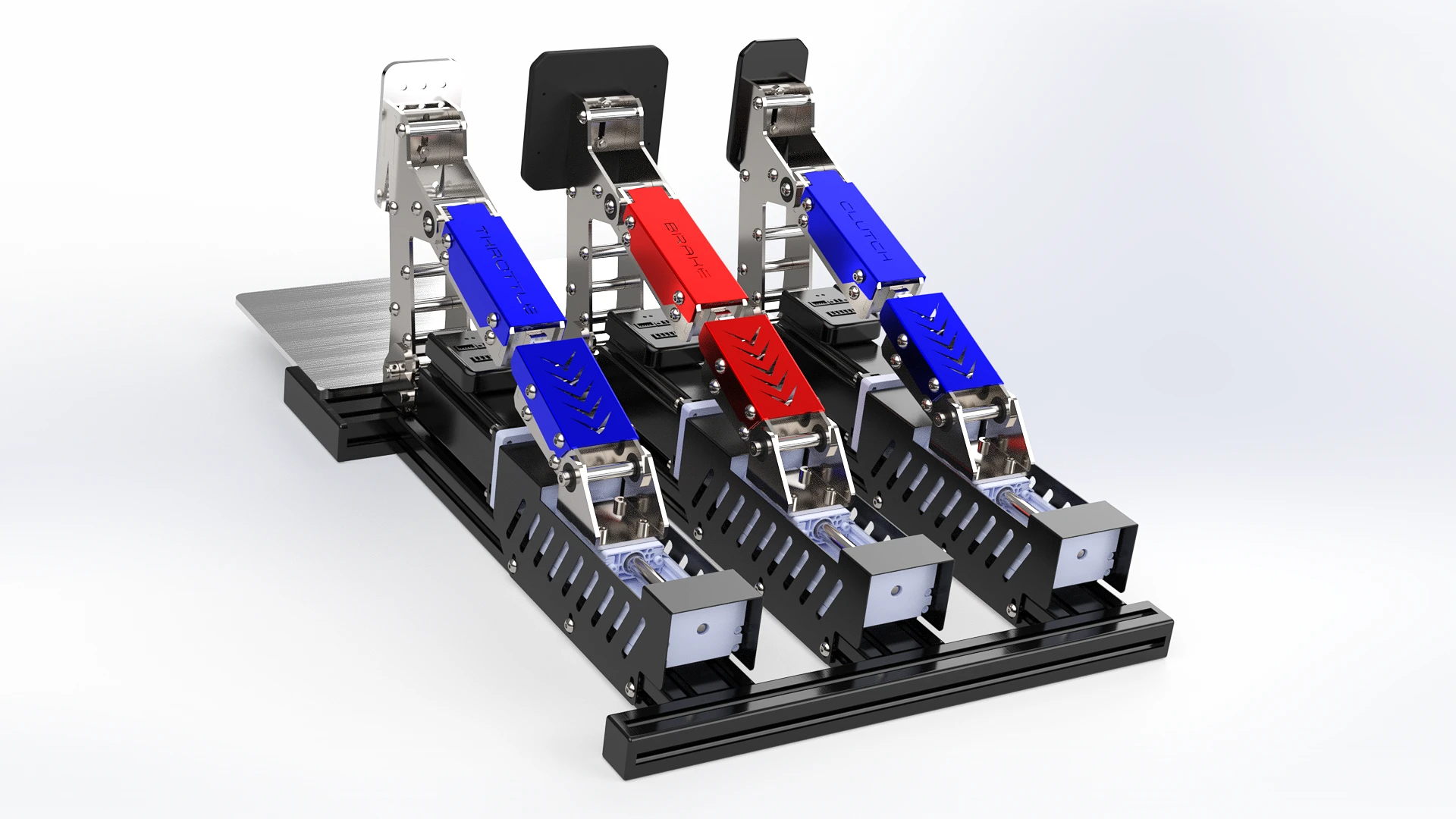
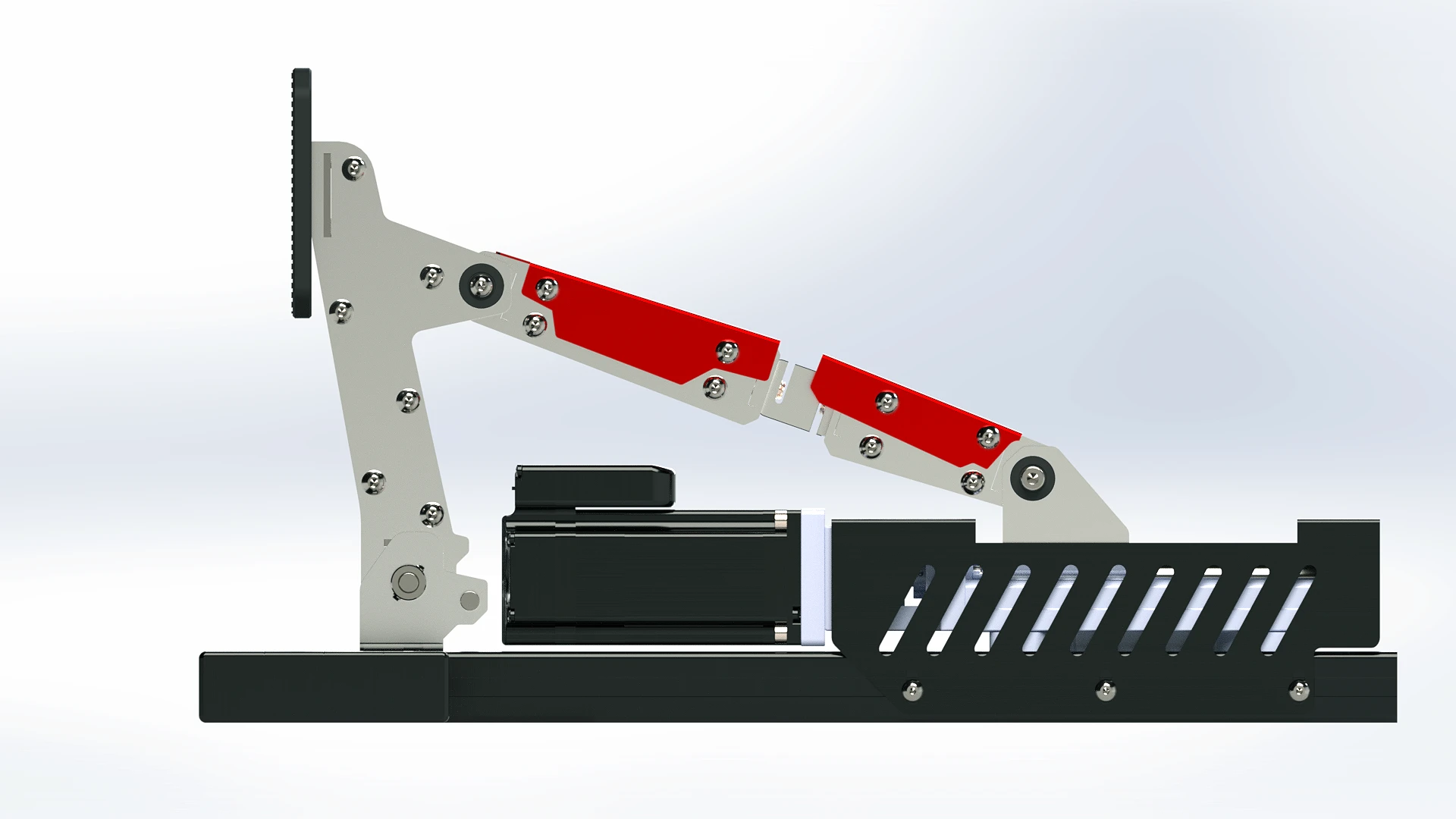
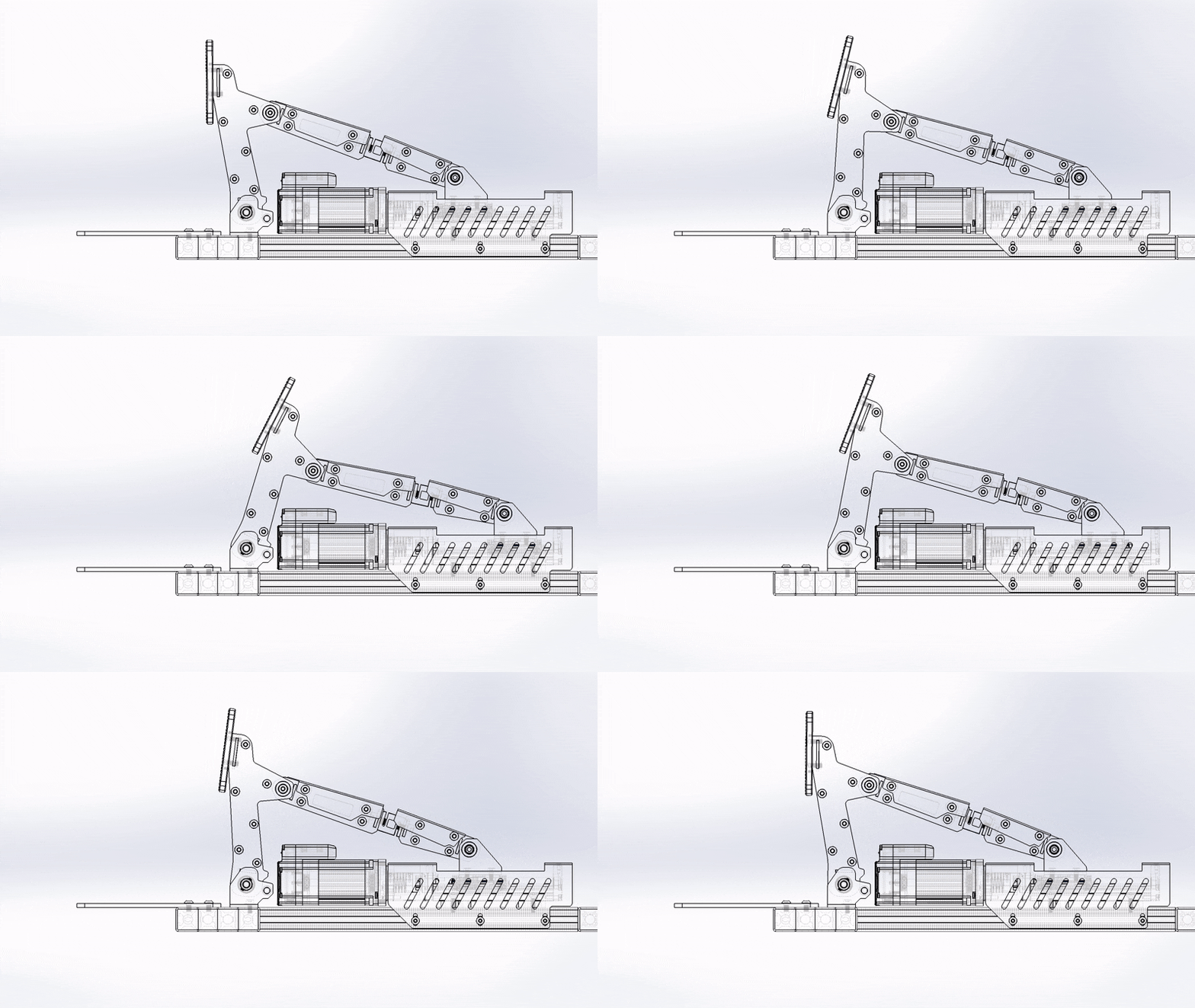
Elite Active Pedals has been designed around a brushless servo motor, linear rail, and ball screw transmission to reproduce realistic force feedback effects such as:
- ABS vibration
- Wheel lock
- Brake pressure simulation
- Engine vibration
- Traction loss
- Dynamic pedal stiffness
- Road texture
- Custom force profiles
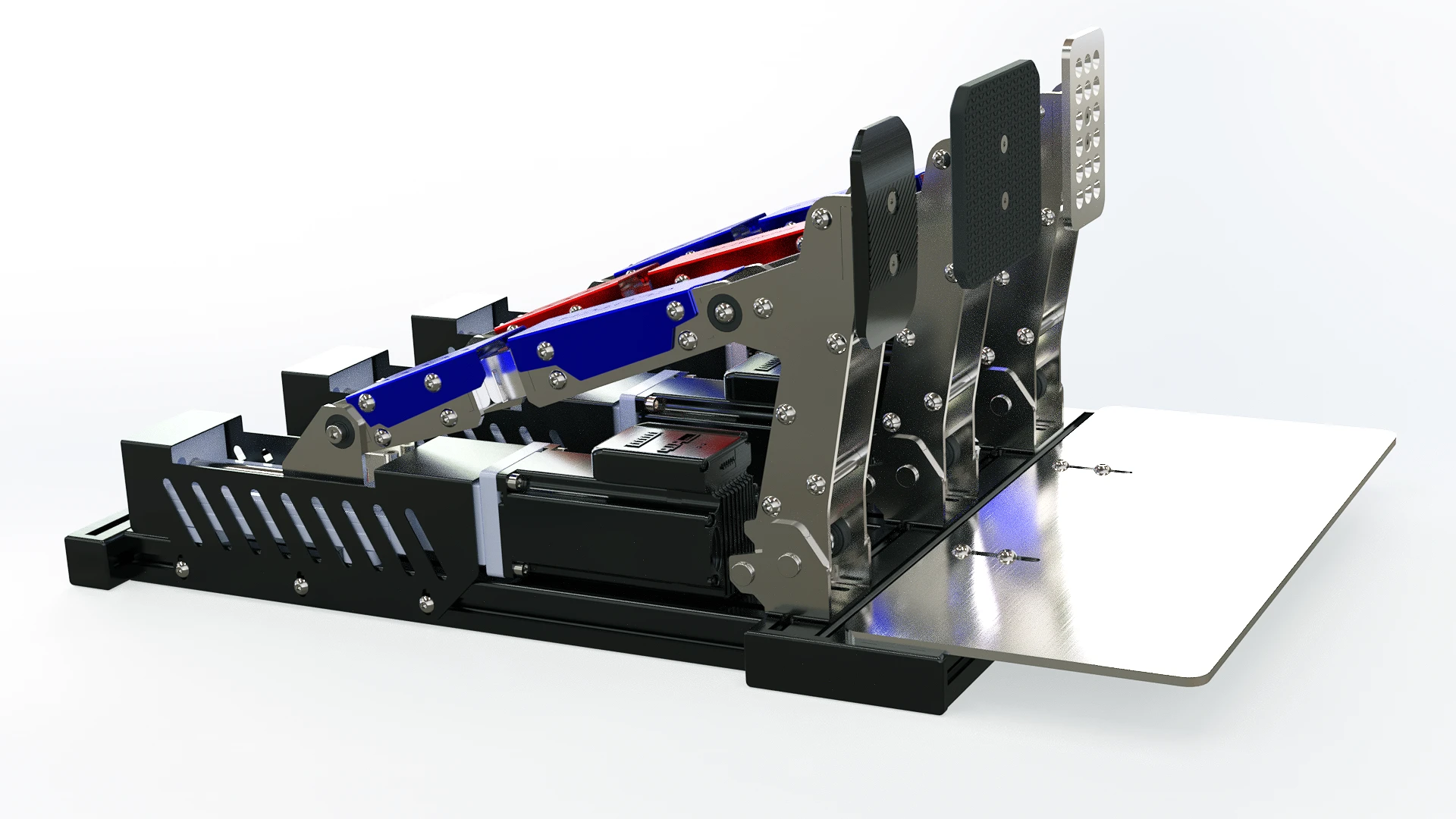
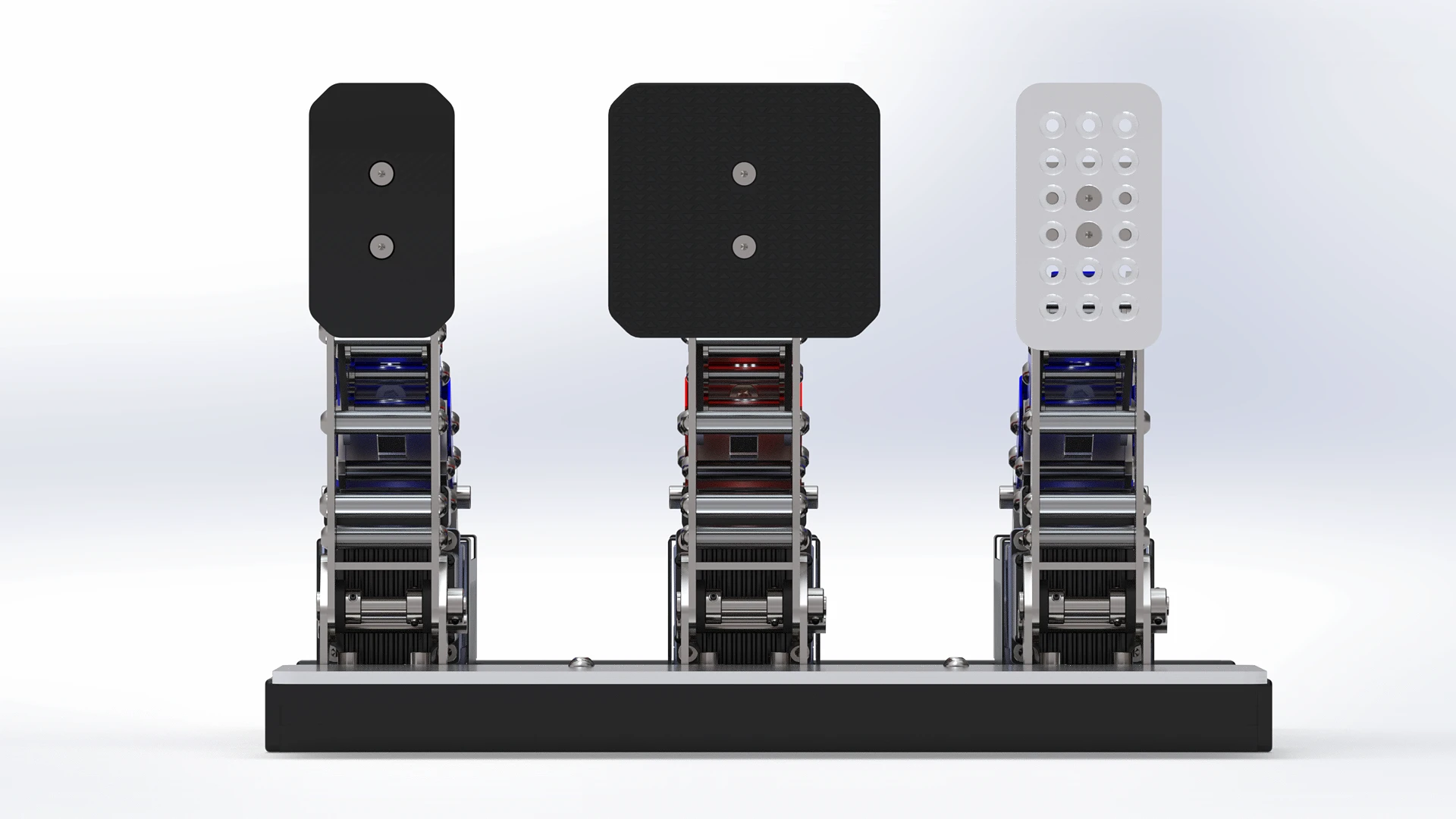
Beautiful from every angle
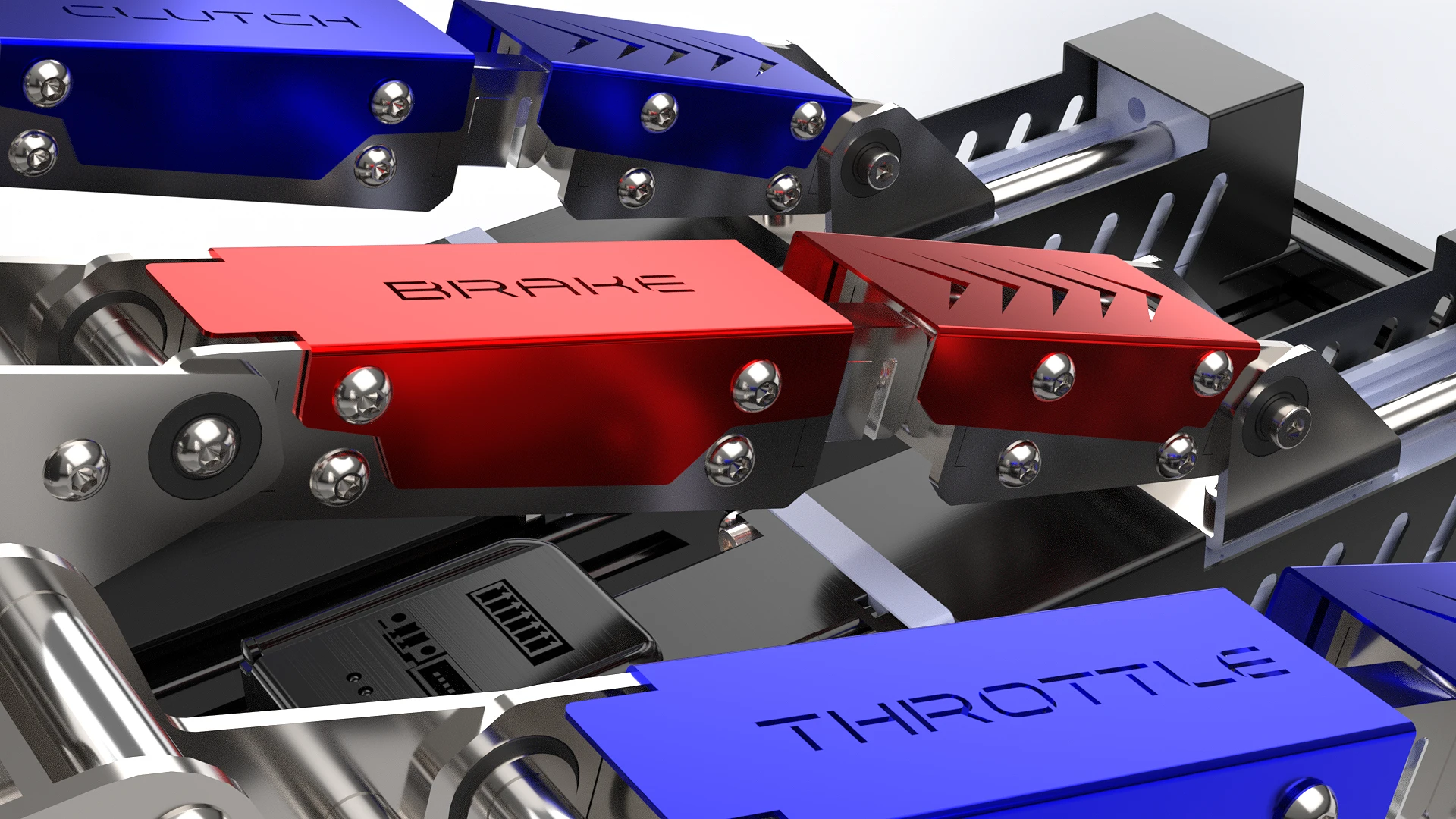
Elite Active Pedals was designed with aesthetics in mind.
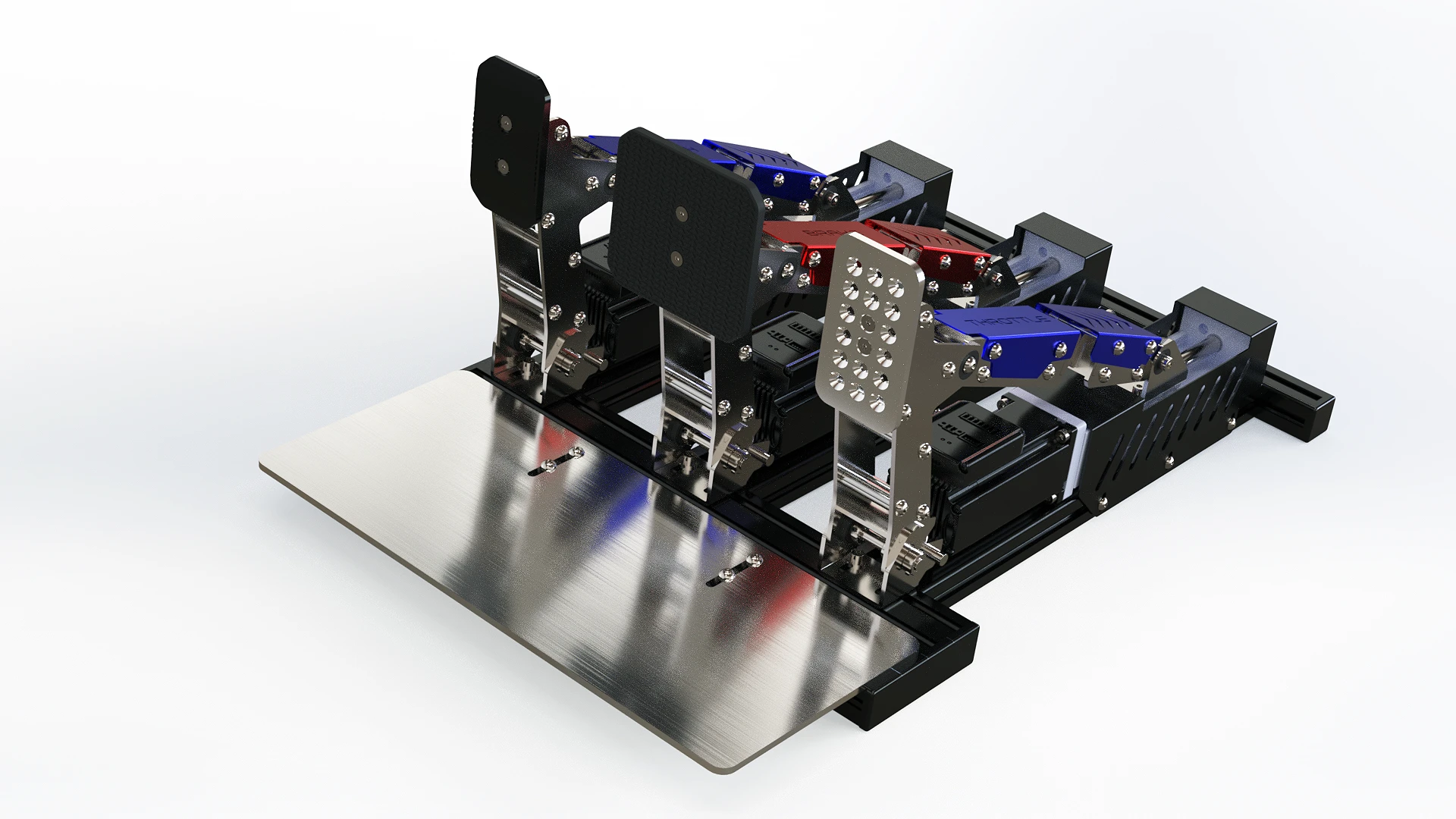
Instead of exposing the mechanical components, the design conceals the majority of the moving parts beneath the heel plate, creating a clean, premium appearance inspired by high-end commercial products.
Only the pedal remains visible, giving your simulator a professional look.

You can find many of the required parts in the BOM & Sourcing Guide (links verified and regularly updated).
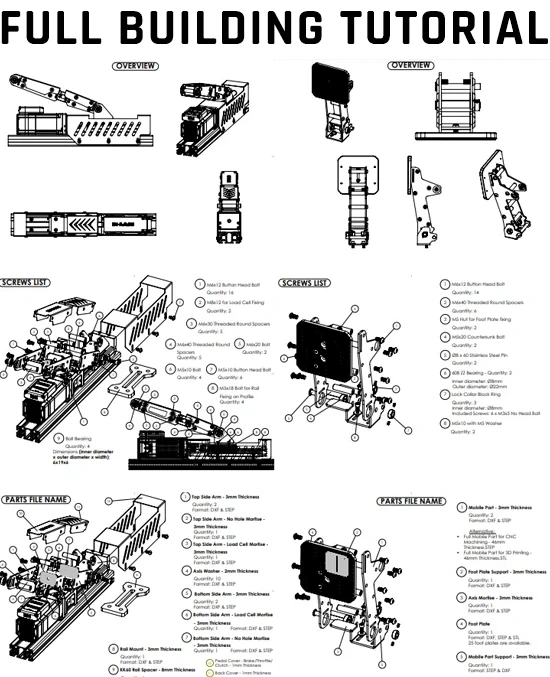
It is primarily constructed from 3mm-thick Stainless Steel laser-cut parts joined using M6x40 or M6x30 threaded round spacers.
Some parts require bending, but these involve only simple 90-degree bends. A few parts are 2mm and 1mm thick.
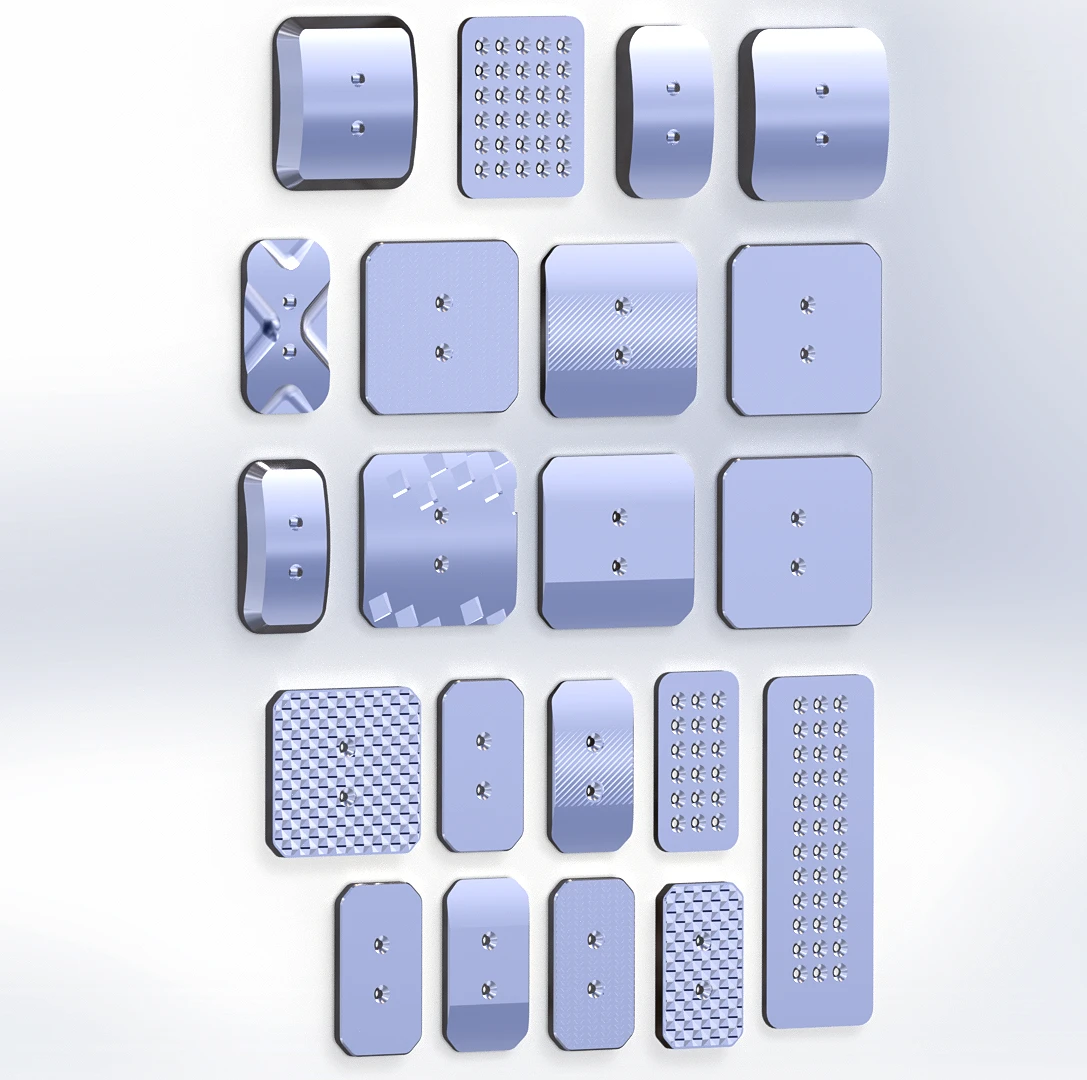
Alternative parts are also available in STEP and STL formats.
You should start by finding a supplier that offers affordable laser cutting and bending services.
Alternatively, JLCCNC’s “Sheet Metal Fabrication Services” is a great option in terms of pricing and production speed.
There are also several 3D-printable parts available that could help you cut costs—such as M6x40 or M6x30 connectors. You can find all of them in STL format.
For files intended for Stainless Steel laser cutting or CNC machining, the tolerance is 0.2 mm.
For 3D printing, it is 0.5 mm.
We recommend using the 30-series profile (30×30, 30×60 & 30×100).
For the pedal assembly itself, ideally you need two 400mm-long profiles — one 30×30 and one 30×100 — plus a 400mm-long 30×60 profile for each pedal.
Of course, these profiles will need to be secured using 3030 angle brackets and the side covers.
However, you are free to choose a different profile; these dimensions are not mandatory.
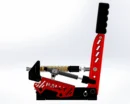
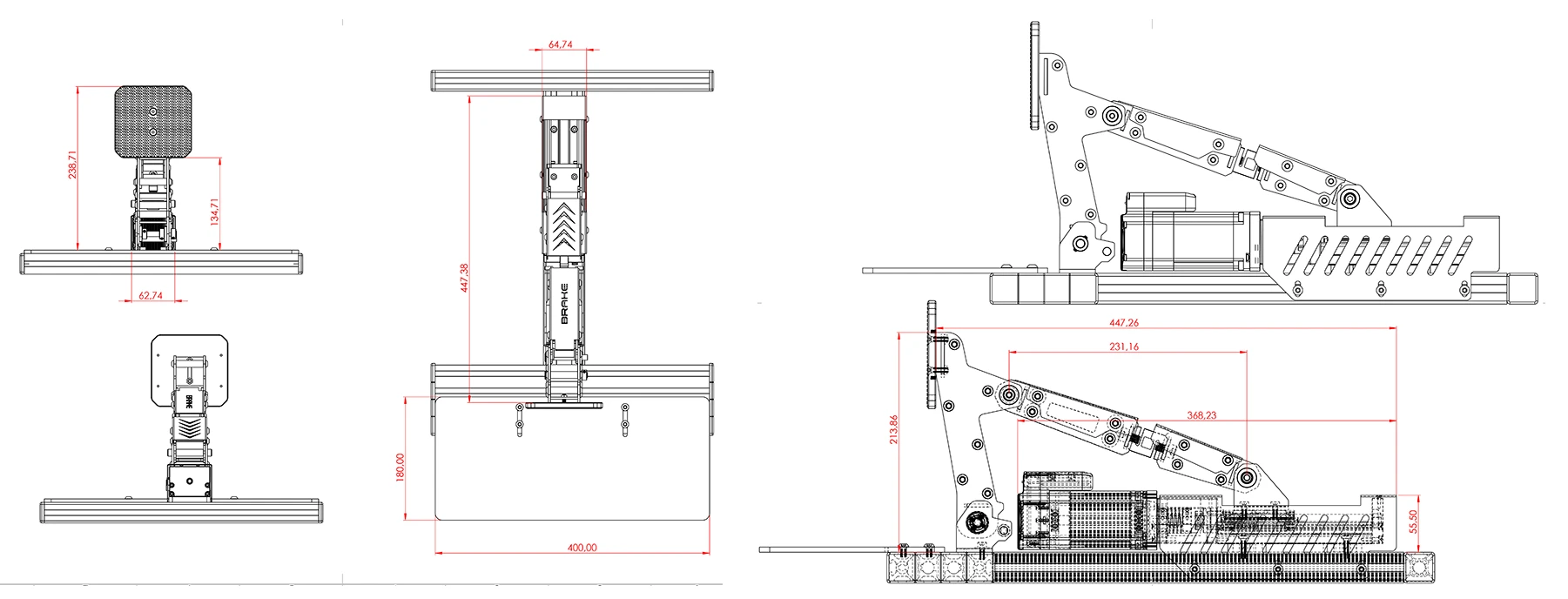
A pedal measures 238 mm in height (including the footrest) and 213 mm without the footrest.
The width is 62 mm, and the total depth — including the motor and ball screw — is approximately 447 mm.
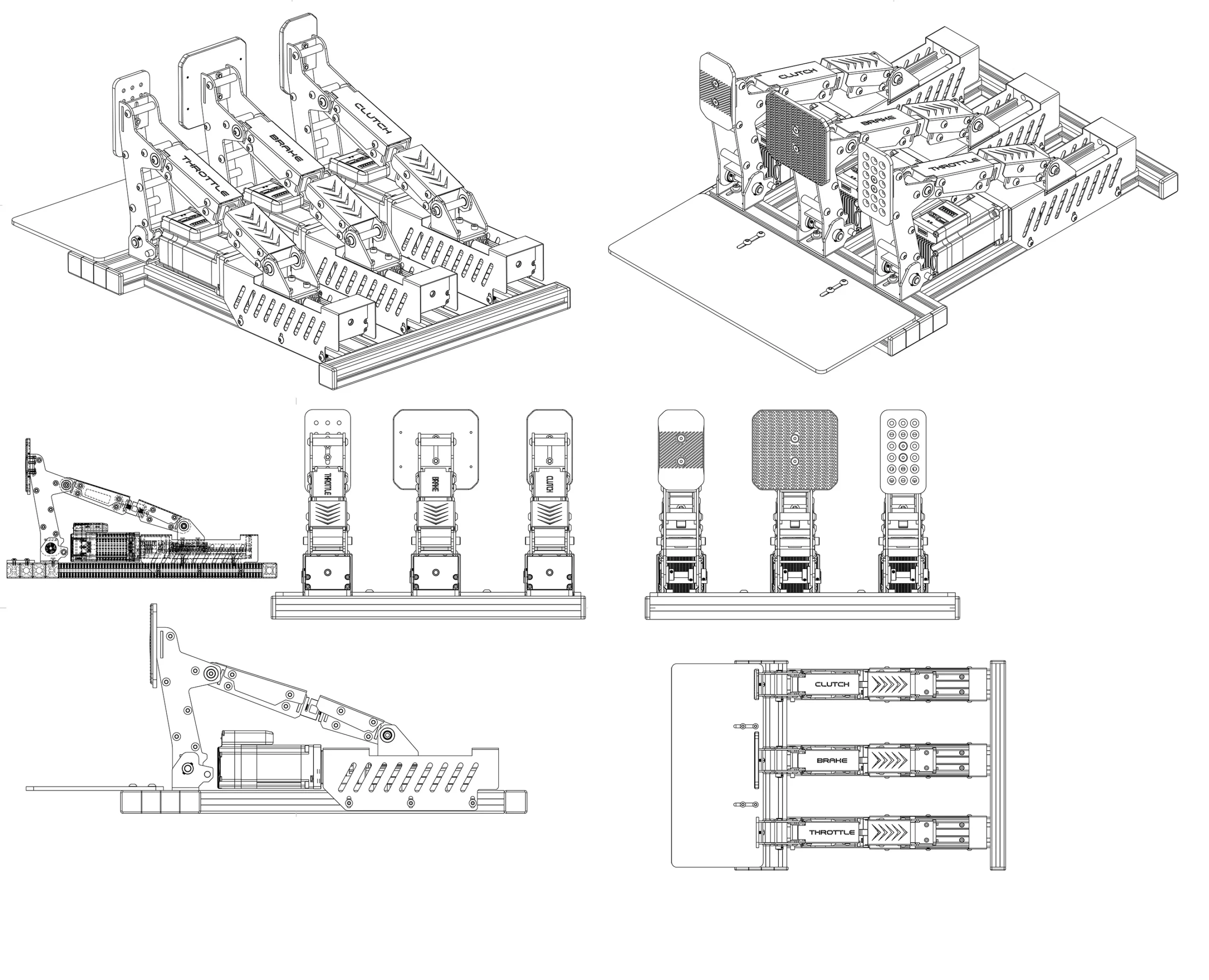
An image showing the dimensions is available directly on the product page.
You can find the dimensions in the “Full Pedal Overview.pdf” file, located in the “Building Guide – A3 PDF Sheet” folder.
No! The Cover are purely optional. It was designed to give the pedal set a “Pro-Racing” look. The pedals are 100% structurally functional without it. You can choose not to install it for a more “industrial/raw” look.


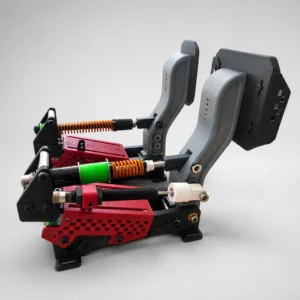

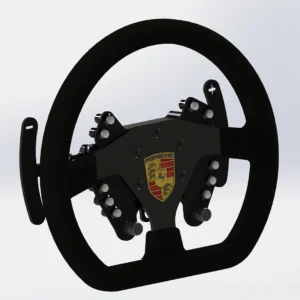

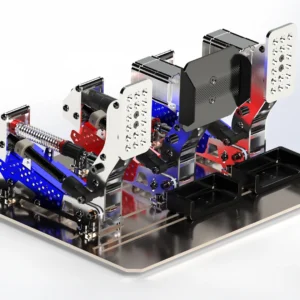
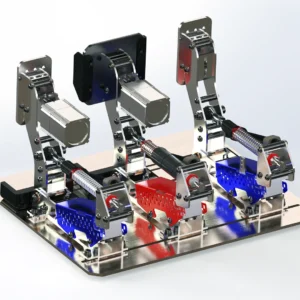

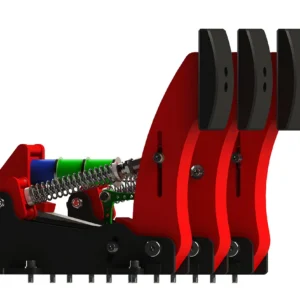
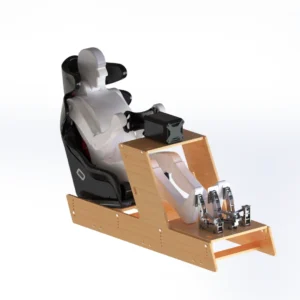
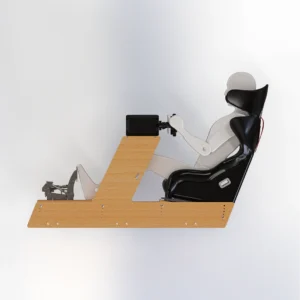

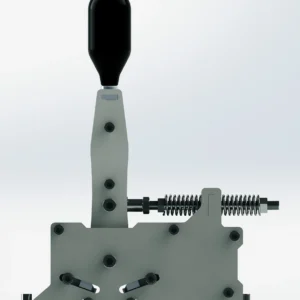



A very good alternative to 3D printed models, it looks very professional and is close to branded ffb pedals.
Very well designed, very solid and no play, the active pedal works perfectly with the official github project.
Great design for an active DIY pedal, I built mine using laser cut parts and am very satisfied with the result.