
 Product Features


Description
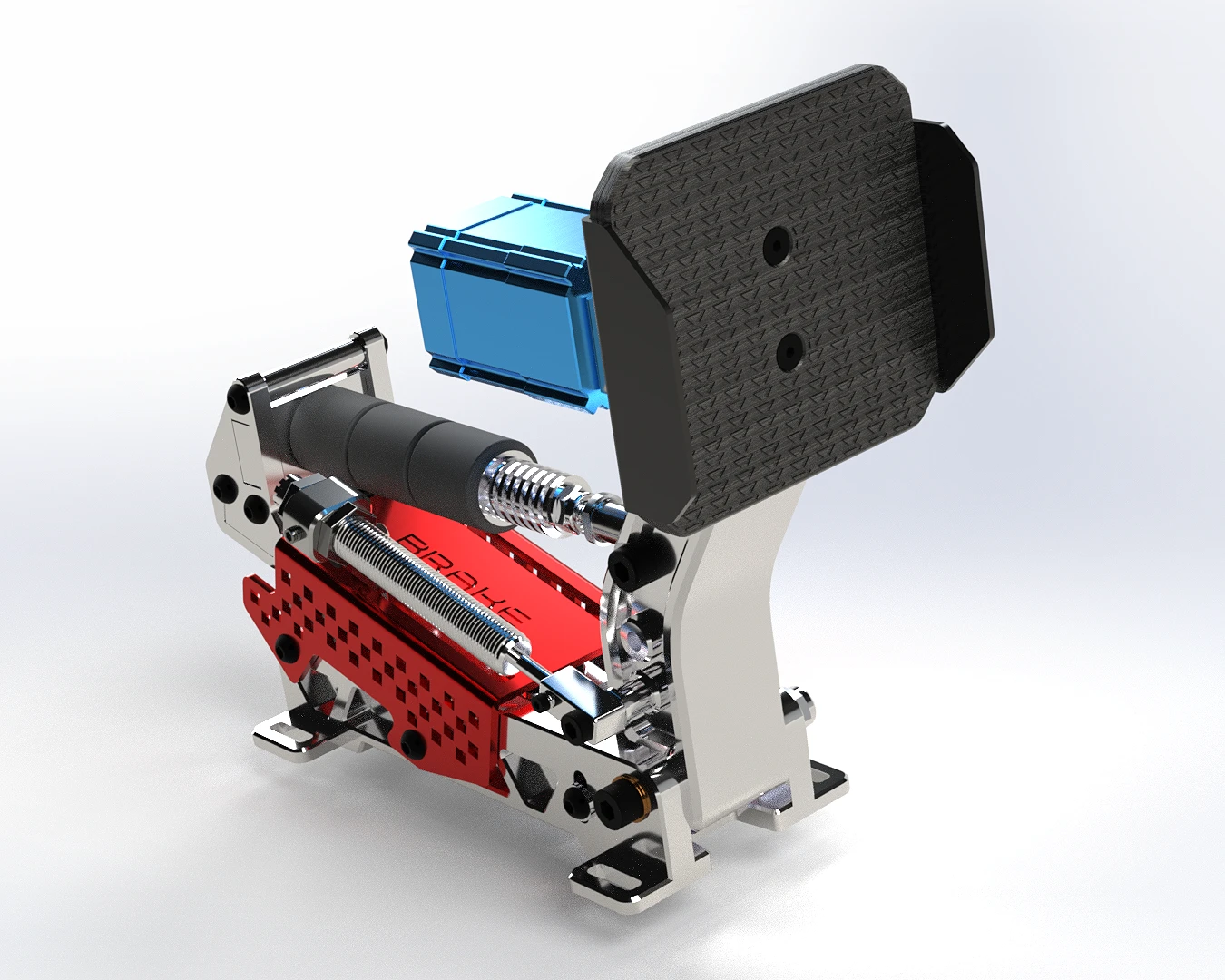
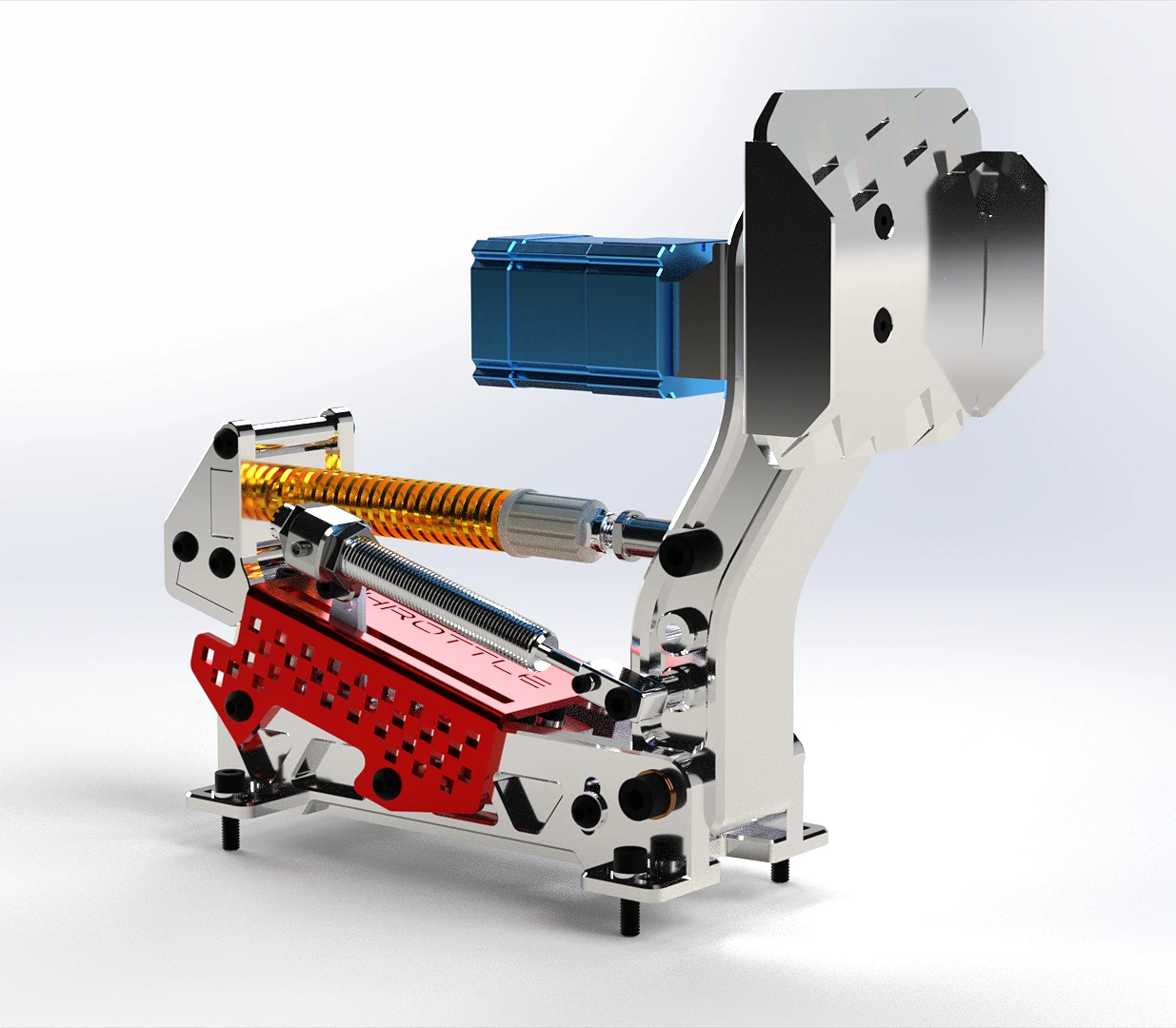
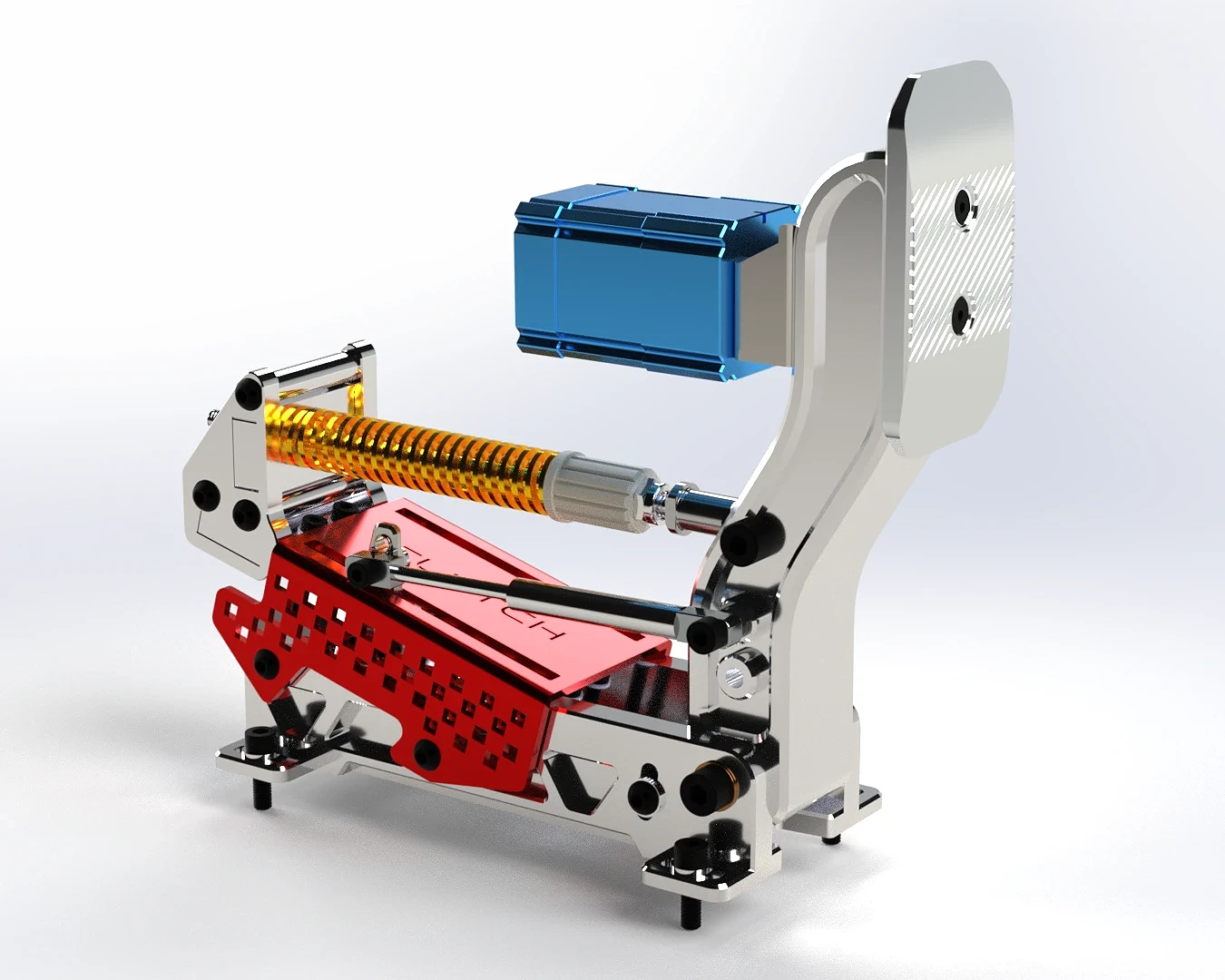
This is our most asked question! Everything you need is listed in the BOM (Bill of Materials). You can find it in two places:
Directly within the BOM section of the product page.
Inside the comprehensive Assembly PDF included with your purchase. It includes exact quantities, dimensions, and even direct sourcing links to save you time.
- You can also find many parts on our DIY Tools page.
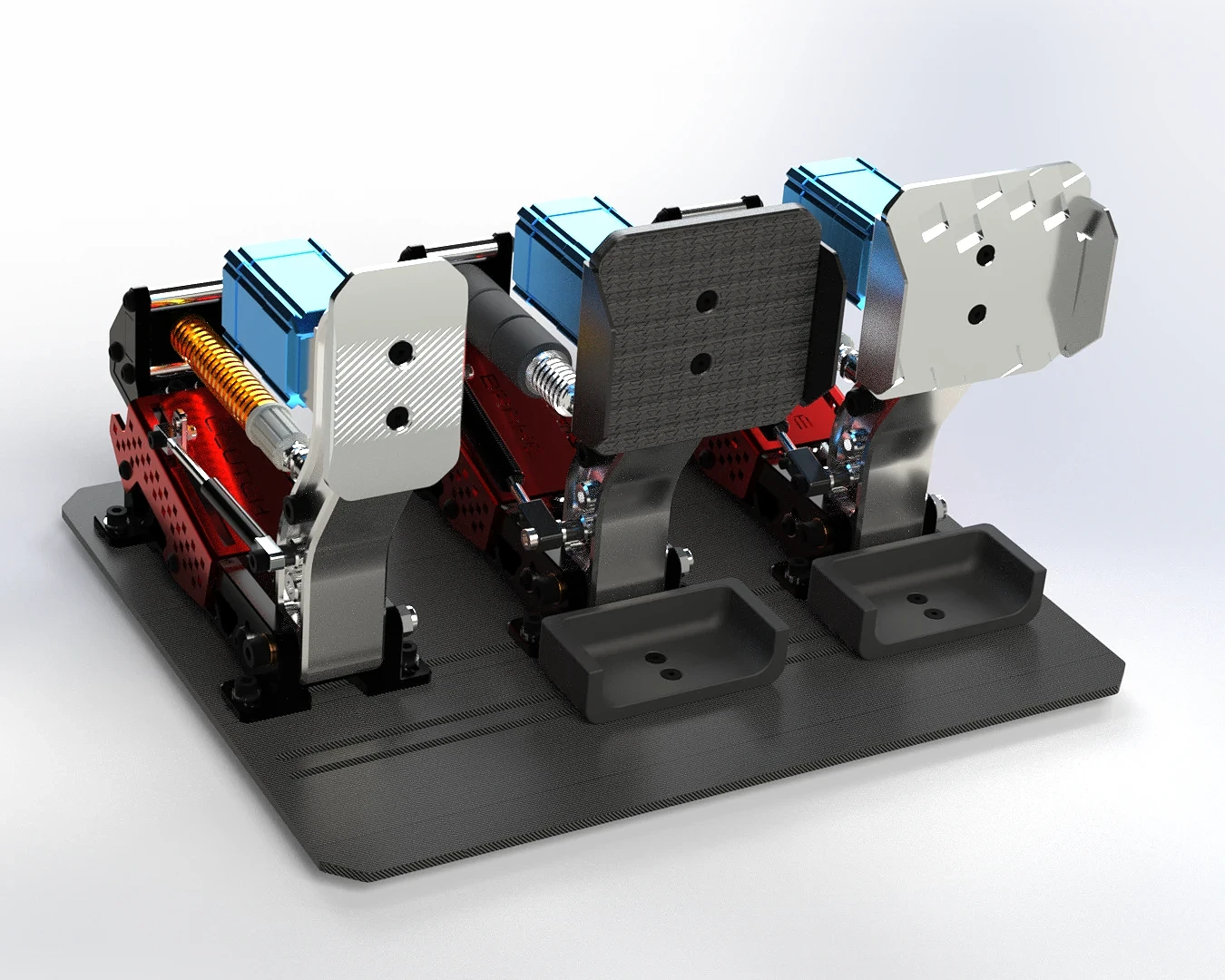
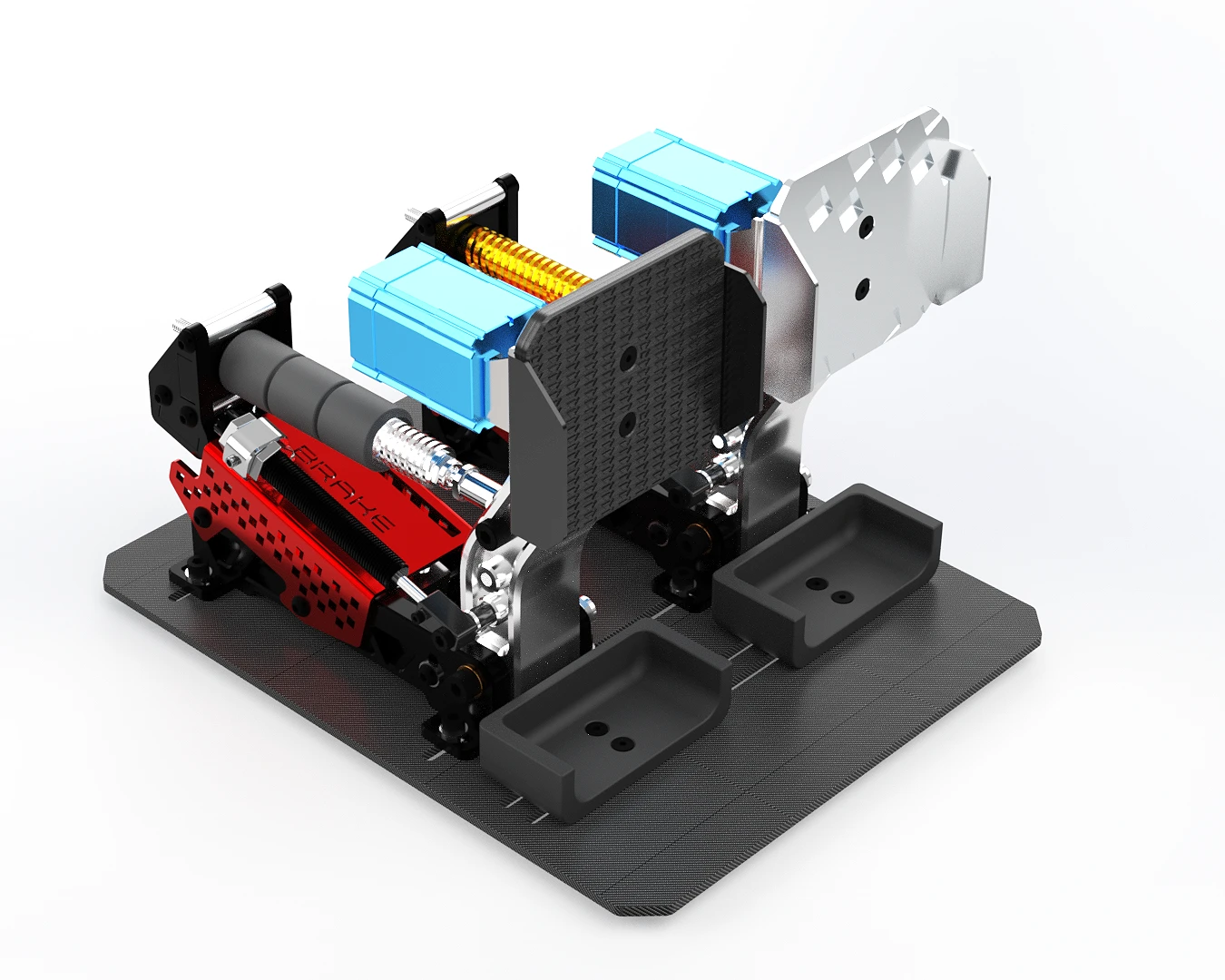
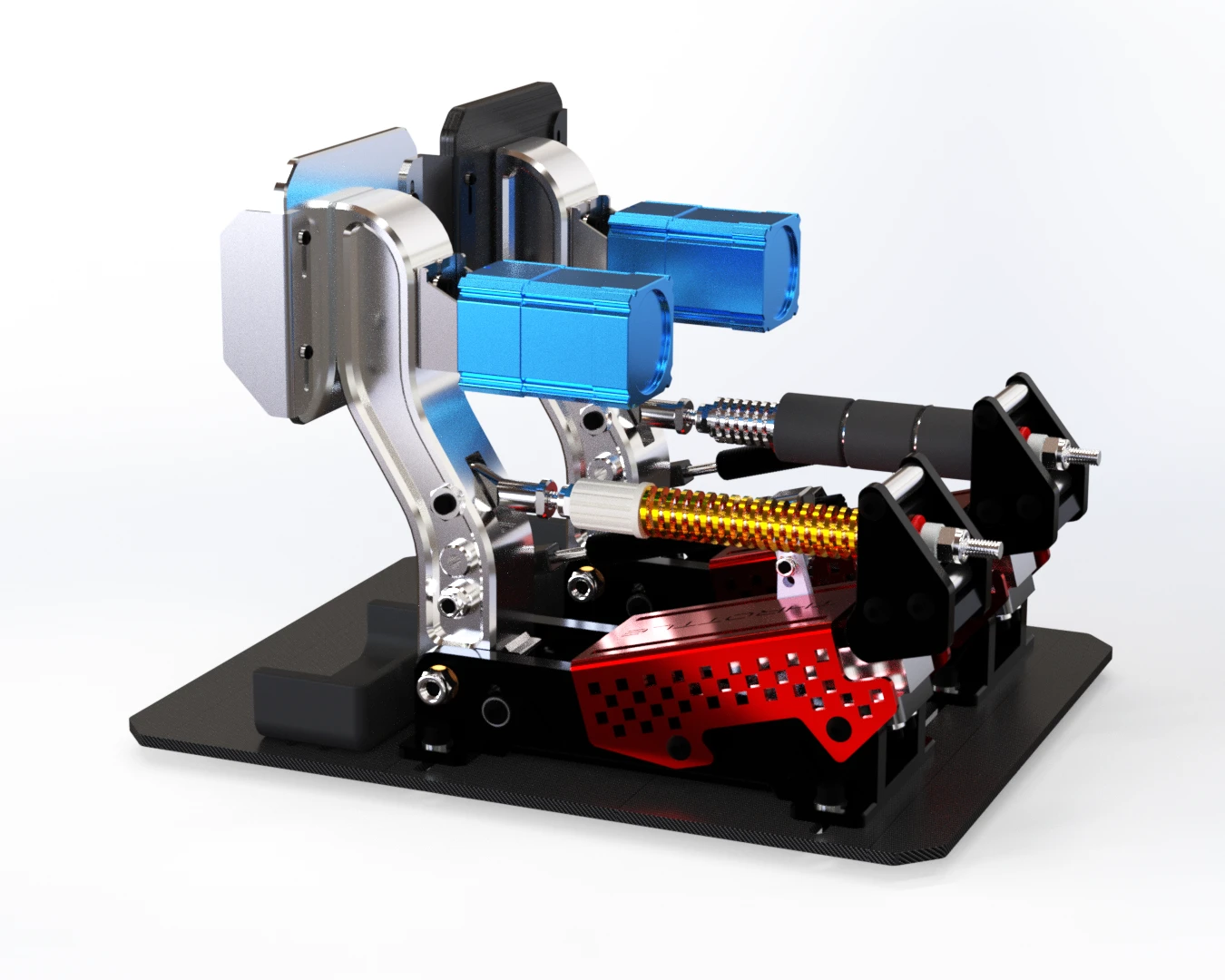
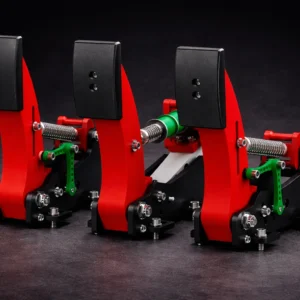
No! The Red Cover (“Fixed Part Cover”) is purely optional. It was designed to give the pedal set a “Pro-Racing” look. The pedals are 100% structurally functional without it. You can choose not to install it for a more “industrial/raw” look or 3D print it in any color to match your rig.
Ease of Assembly: 7/10. If you have basic DIY skills (soldering, using a wrench, and basic 3D printing knowledge), you can build this. The assembly is straightforward thanks to our detailed exploded views and the fact that most parts are “bolt-on.” No complex machining or welding is required.
It depends on your electronics. If you use an Arduino with our recommended sketch, you can use Windows Joystick, DIVIEW or FreeJoy for calibration. If you choose a Leo Bodnar or AliExpress Plug & Play board, they are recognized as standard Windows Game Controllers and can be calibrated directly in-game or via Windows settings.
To calibrate your pedal set, feel free to follow our Youtube guide here.
First of all, we invite you to carefully check your soldering, as well as the installation of the Joystick and HX711 libraries.
Issue: I got an error message when compiling my sketch.
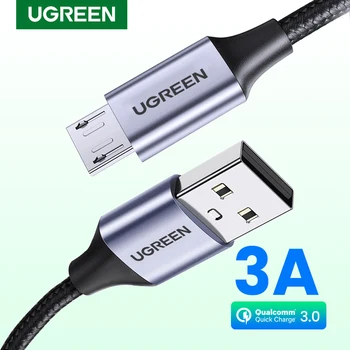
- Use another USB cable (a data transfer cable)
- Change the USB port
- Connect the USB board directly to the PC
- Make sure you have chosen the right PORT and the right Board in the Arduino software (“Tools” menu).
Issue: My load cell pressure is reversed
Edit a line of the Arduino sketch, you need to remove or add the – just before scale
Issue: I have a dead zone when pressing my load cell
Slightly adjust the tightness of the four M4 and M5 lock nuts which support the loadcell.
Issue: There is a lack of responsiveness on my load cell, a slight delay.
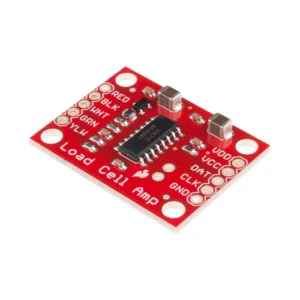
The HX711 sensor needs a slight modification; a connection needs to be cut and an image reconnected. Here’s an image to help you:
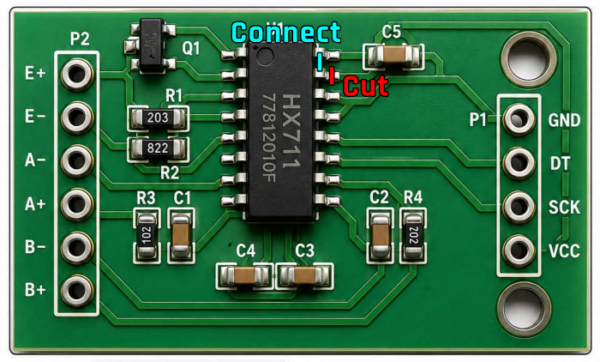
And a video: https://www.youtube.com/watch?v=0cxS-a837bY
Brake Pedal: We recommend a 100-120kg Load Cell. This provides the necessary overhead for high-pressure trail braking and a realistic “stiff” racing feel.
Throttle & Clutch Pedals: A 20kg Load Cell is ideal. Since these pedals are travel-based, a 20kg sensor offers extreme precision and durability without requiring excessive leg force.
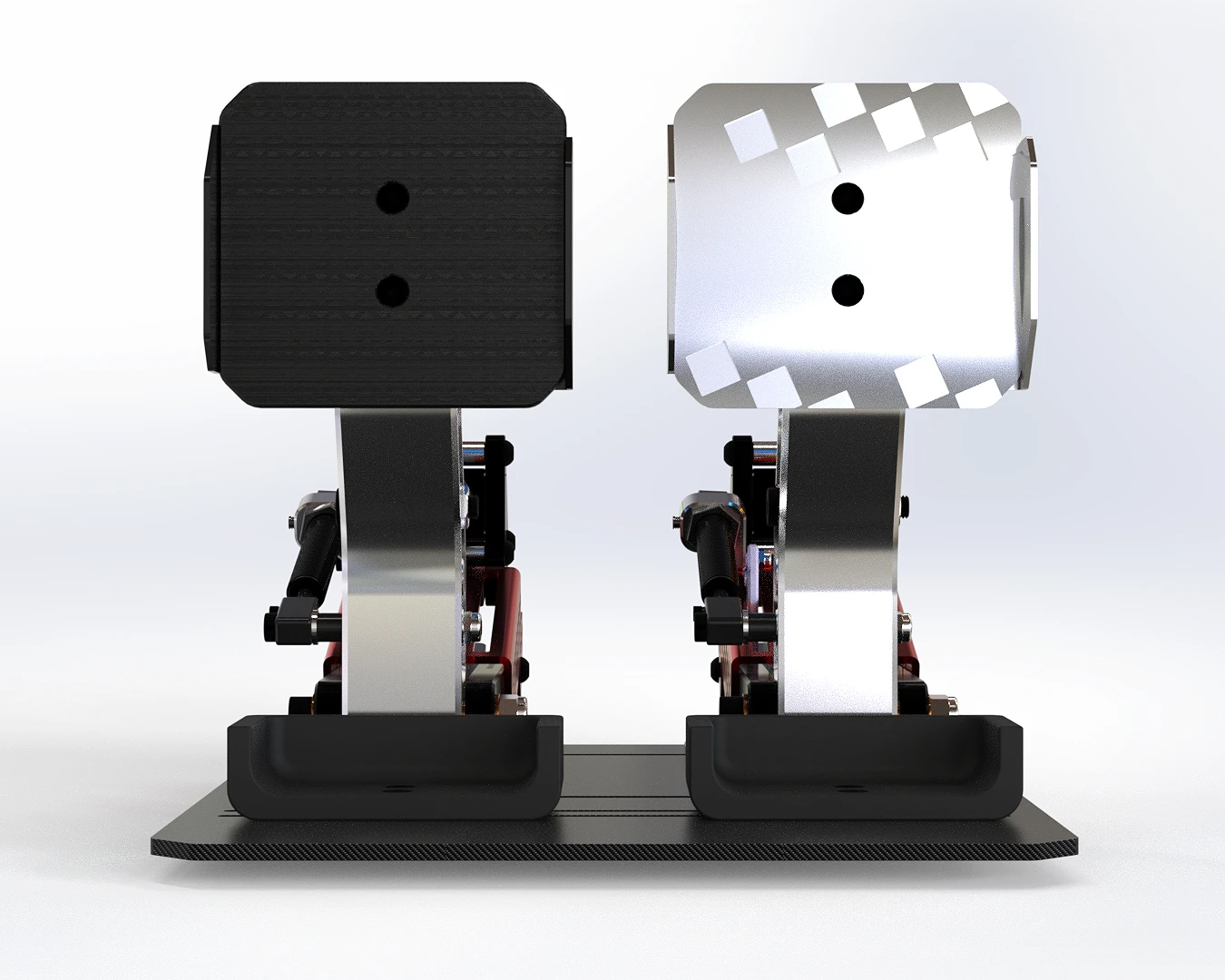
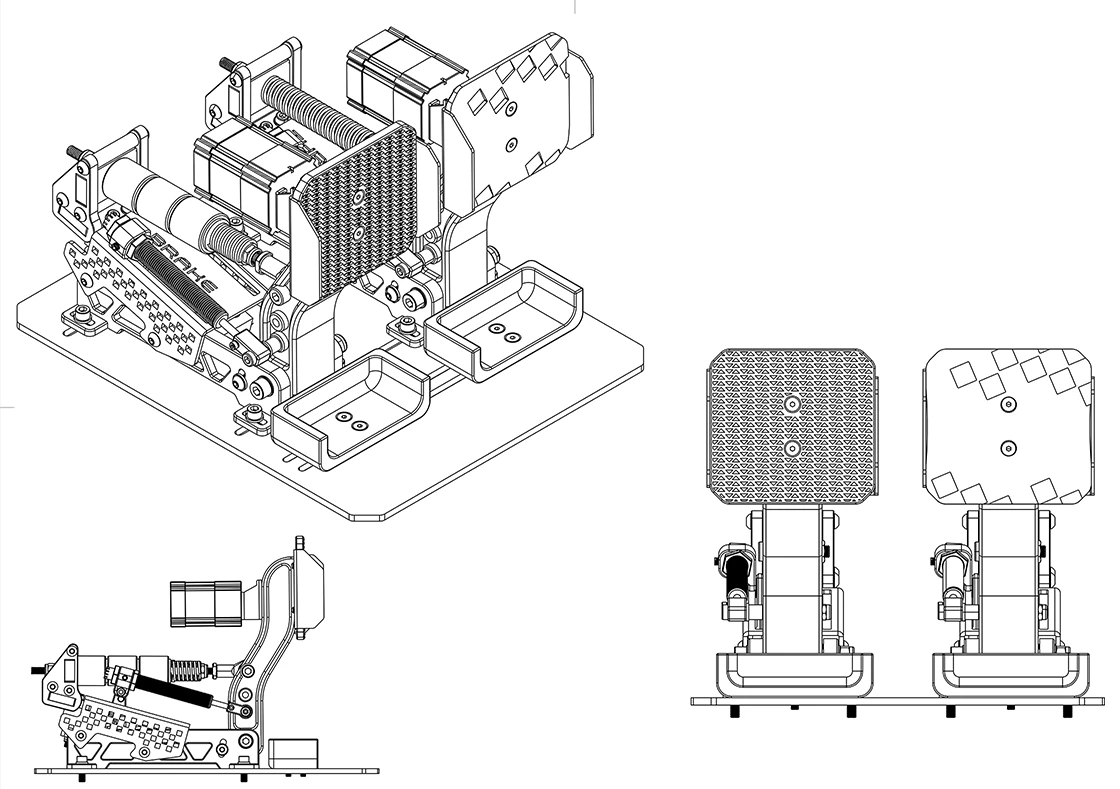
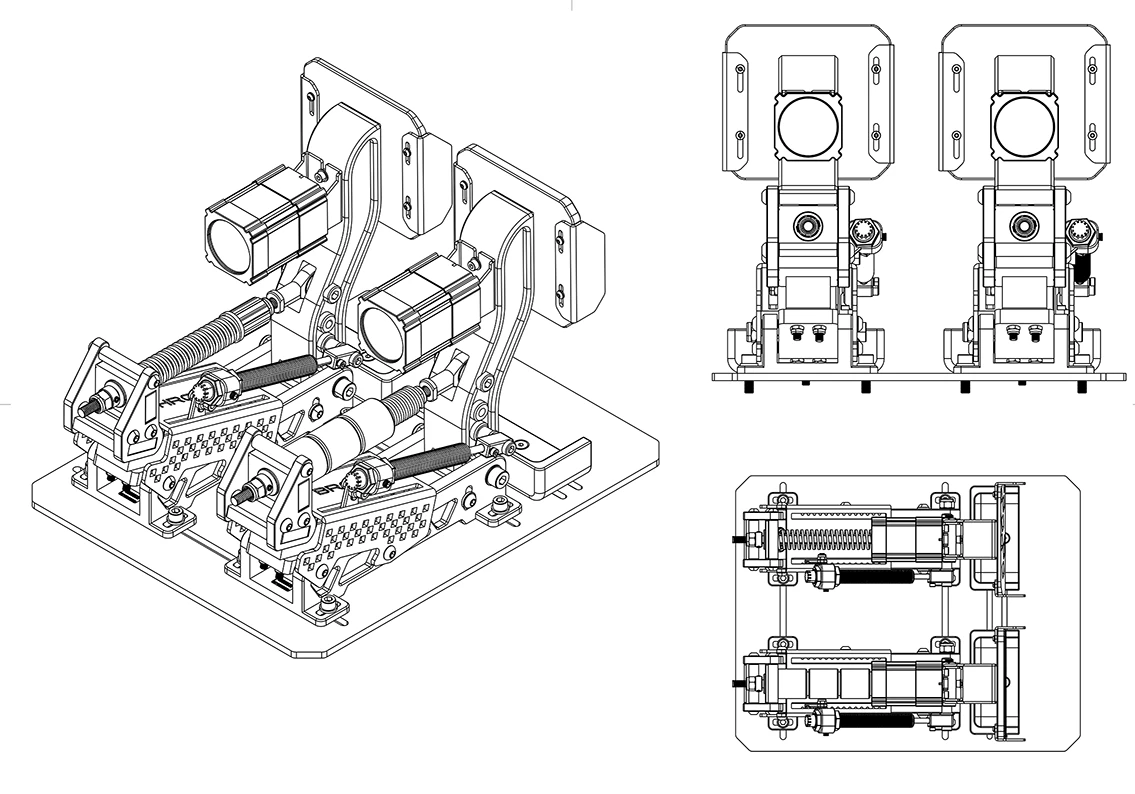
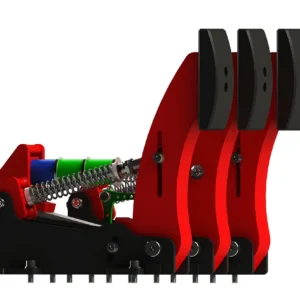
Each pedal unit follows these standard dimensions:
Depth: 265mm
Height: 240mm
Width: 95mm
3D Printing Constraint: The longest single part measures 201mm. This ensures it fits on most standard 3D printer beds (like an Ender 3, Prusa MK3/MK4, or Bambu Lab).
Depending on your local sourcing for hardware/manufacturing and your choice of electronics, the total cost for a 3-pedal set typically ranges between $150 and $500.
No, the pedals work perfectly with the included spring and elastomer system. The Hydraulic Damper is an optional upgrade for those seeking a more “viscous” and realistic hydraulic feel on the pedals.
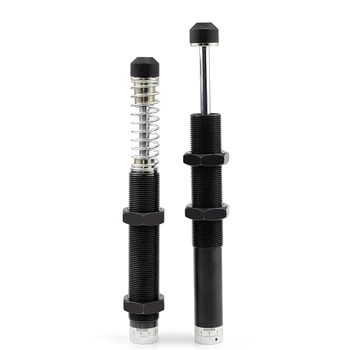
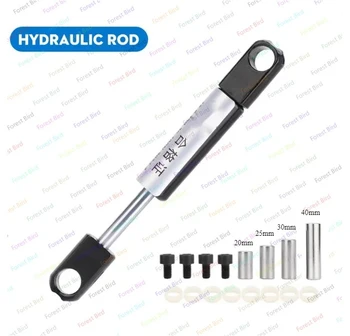
The pedals are designed to be compatible with two types of dampers:
Standard Gas Struts: Affordable and effective for consistent resistance.
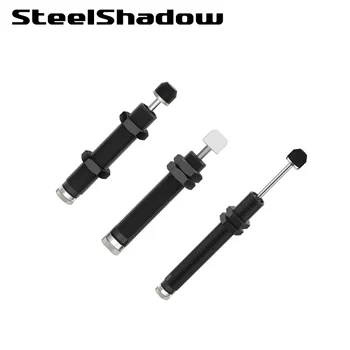
Adjustable Hydraulic Dampers: For those who want to fine-tune the “viscous” damping effect to their exact preference.
To ensure the longevity of your dampers, please follow these three critical rules:
Perfect Alignment: Ensure the actuator rod is perfectly straight during the stroke. It should not deflect left or right when pressure is applied.
Structural Integrity: The “Hydraulic Damper Support” part must be printed with 100% infill to handle the mechanical load without flexing.
Mechanical Stops: This is the most important step. Your pedal’s physical travel must be limited by the “Fixed Part” stop (the M6x40 spacer) before the hydraulic damper reaches its internal end-of-stroke. Never use the gas damper as a mechanical stop. Forcing the pedal against a fully compressed damper will lead to immediate failure.
Like most DIY hardware, this set is natively compatible with PC. To use it on a console, you would need a third-party adapter (like a DriveHub) and a compatible interface (like a Leo Bodnar board or Arduino).
Unlike potentiometers, Load Cells have no moving electrical parts that can wear out or get twitchy with dust. They provide a much higher resolution and rely on pressure, which is far more consistent for muscle memory than pedal distance.
You can build the pedals either from CNC-machined aluminum or from 3D-printed plastic. If you own a 3D printer or a CNC milling machine, this will greatly reduce your manufacturing cost.
Yes! The pack includes a professional PDF documentation with exploded views, a full Bill of Materials (BOM) with purchase links, and technical drawings to ensure a smooth “no-headache” assembly process.
Our design is flexible to fit your budget and technical comfort:
Open Source Path: Use an Arduino Pro Micro + HX711 for each pedal.
Plug & Play Path: Use a Leo Bodnar board or a specialized AliExpress Sim Racing controller for a “no-coding-required” setup. Some Aliexpress controllers also include bass shakers.
For maximum durability, especially on the Brake Pedal, we recommend:
Recommended Material: PETG, ABS, or Carbon-filled filaments. You can also use PLA, but with 100% infill on the brake parts.
Infill: Most parts work well with 40-60% infill (Gyroid pattern). However, for high-stress components (refer to the documentation), we strongly recommend 100% infill to ensure the brake pedal can handle the 100kg Load Cell pressure without deforming.
Wall Count: Use at least 4 to 6 wall loops for extra rigidity.
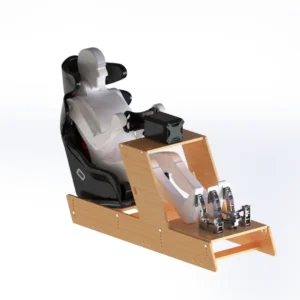
Yes! The base plates are designed with universal mounting slots compatible with standard 8020 aluminum profiles (40 series). Whether you have a Trak Racer, Sim-Lab, or a custom DIY rig, these pedals will bolt right on.
Two base plates (F1 and GT3) are included in the files.
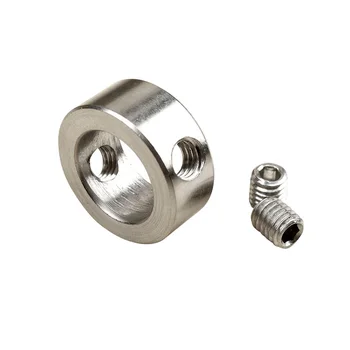
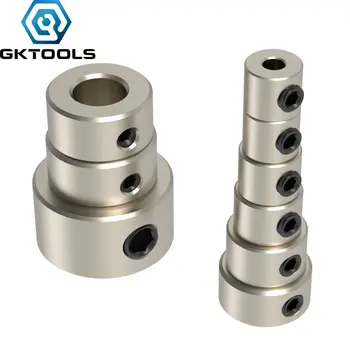
To ensure perfectly silent operation and avoid any clicking sounds when the pedal returns, place the rubber washer at the very end of the M8x200 threaded rod, just before the locking collar.
Pro Tip: For the best results, glue the washer directly onto the part named “Load Cell Pressure”. This acts as a silencer, preventing the rod from striking the component directly during rapid pedal release.
To ensure a perfect fit with the internal mechanisms, please follow these specifications when sourcing your hardware:
Hydraulic/Gas Damper:
Maximum Outer Diameter: Ø15mm
Maximum Length: 140 mm
Springs:
Minimum Inner Diameter: Ø8mm (to slide freely over the M8 rods).
Elastomers (Brake Rubbers):
Minimum Inner Diameter: Ø8mm
Maximum Outer Diameter: Ø35mm (to fit within the pedal housing/washers).


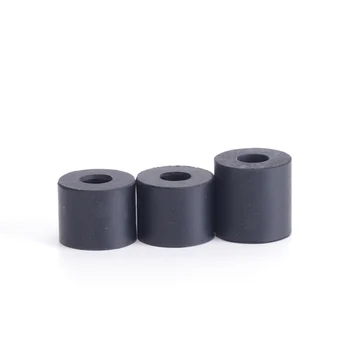
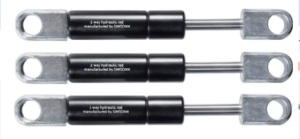
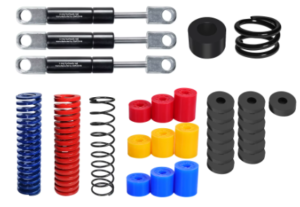
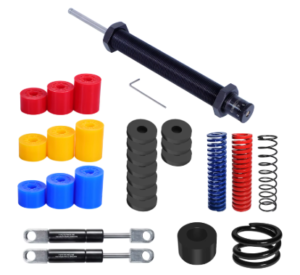


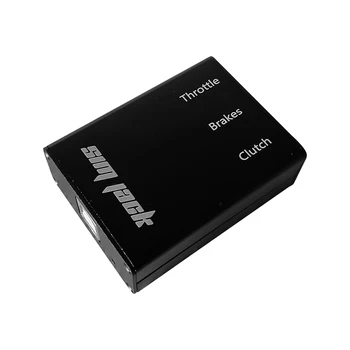
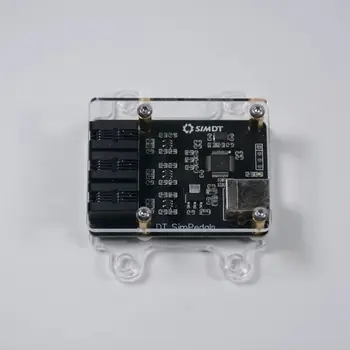
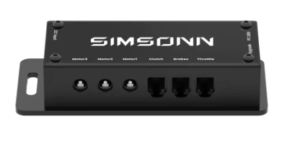
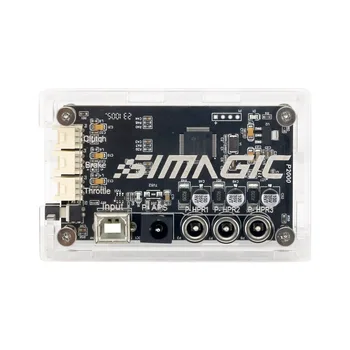
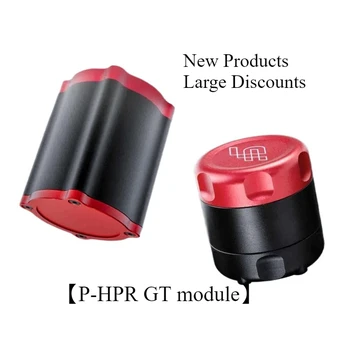
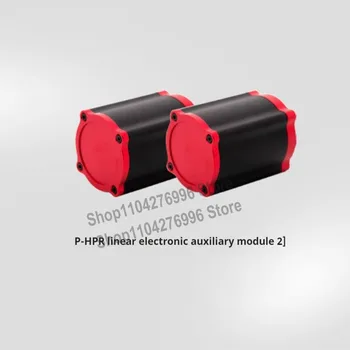
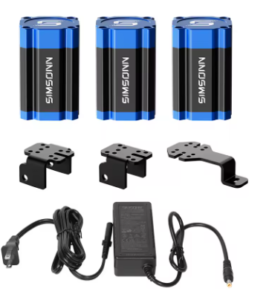
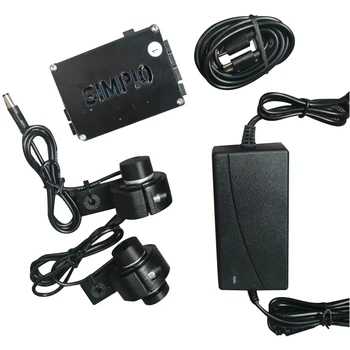
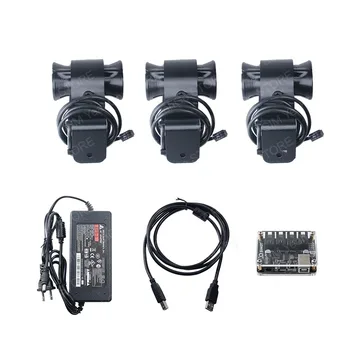
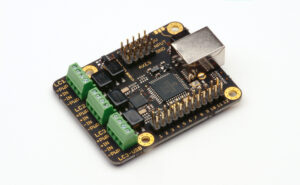
- Quantity: 1
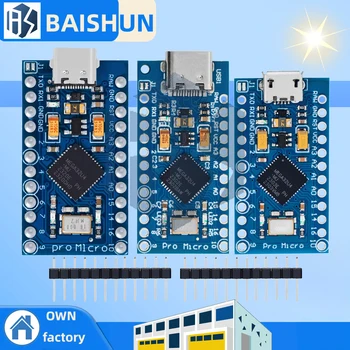
- Option: Micro USB
- Note: compatible only with HX711 Loadcell Amplifier



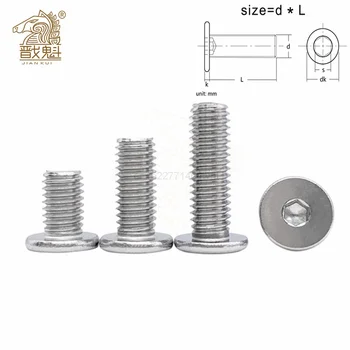


Flanging Self-Lubricating Bearing
- Quantity: 6
- Option: 6x10x12-14×2
- Inner Diameter: Ø6mm
- Outer Diameter: Ø10mm
- Width: min 12mm, max 15mm

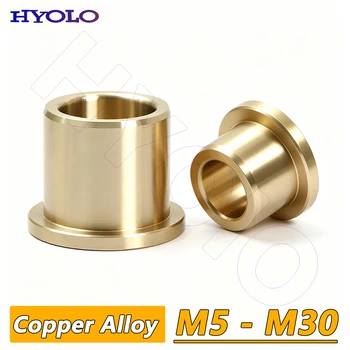
Flanging Self-Lubricating Bearing
- Quantity: 6
- Option: 6x10x15-16x2mm
- Inner Diameter: Ø6mm
- Outer Diameter: Ø10mm
- Width: min 12mm, max 15mm















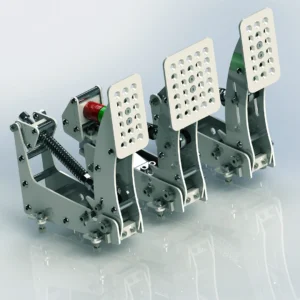
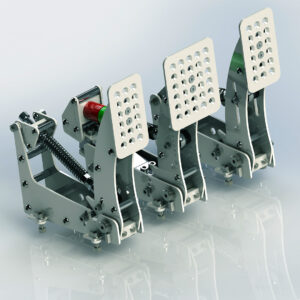

Awesome pedals! And cool design.
It needs a few minor improvements, but I’m satisfied, the result is good and the quality is there.